


How To Get Your Kia Ready for Eugene’s Winter Season
Eugene’s winter creates some tough challenges for drivers. Thick fog cuts visibility to a quarter-mile or less across the Willamette Valley, and January temperatures swing between 15 and 60 degrees F, averaging around 45 degrees F. Daylight shrinks to just nine hours per day, and we get soaked in regular heavy downpours. So, whether you’re planning for foggy morning commutes or a trip to the Cascades, Eugene winter car maintenance is essential.
Tires and Traction
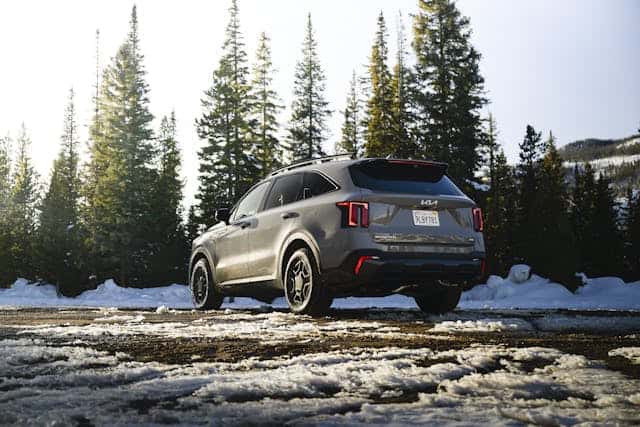
Your tires make all the difference when wet weather hits Eugene. All-weather tires with the three-peak mountain snowflake mark will work best for our constantly wet and occasionally snowy roads. These tires are suitable year-round while providing better traction on snowy and icy roads — no seasonal tire-swapping necessary. Tests show huge differences between brands, though: Michelin CrossClimate2 tires handle wet roads better, while Bridgestone WeatherPeak ones work great in snow but struggle on dry pavement.
Tread depth becomes super important once the rain starts pouring. Swap out any tires worn below 4/32 of an inch before the rainy season — a deeper tread will help resist hydroplaning. You should also check your tire pressure monthly, as it tends to drop in cold weather. Remember that all-wheel drive helps you get moving, but good tires control stopping and turning, keeping you from crashing.
Battery and Fluids
Your 12-volt battery is under increased pressure during the cold months, so get a load test before winter arrives to avoid problems. Electric vehicle (EV) owners should know that battery wear happens naturally — they lose about 1.8% capacity yearly in normal conditions, with extreme temperatures making it worse. However, even with these seasonal concerns, most EV batteries last 15 to 20 years with decent care.
Checking your fluids is another important part of Kia winter prep in Eugene. The ratio of coolant to water can make a big difference: a 50-50 mix of antifreeze and water protects down to about -35 degrees F, while a 60-40 mix works down to -49 degrees F. A 50-50 mix raises the boiling point to around 225 degrees F, keeping things cool during those mountain climbs. You’ll want to change your antifreeze every two to five years or 30,000 to 62,000 miles.
Brake and transmission fluids also break down over time, no matter how little you drive, so it’s important to check these regularly. In winter, make sure to get low-temperature washer fluid to prevent the windshield washer nozzle from freezing.
Wipers, Glass, and Lighting
Rain, fog, and other winter weather conditions create significant visibility problems that can easily lead to accidents on the road. When driving, run the air conditioner on defog with fresh air first, then hit recirculation sparingly.
Make an extra effort to keep the inside glass clean, as dirty windows make every light look like high beams, and replace wiper blades every six to 12 months, but right away if they streak, squeak, skip, or leave water behind. Beam-style wipers handle heavy rain better and don’t ice up like older designs, making them great for winter. Visit our parts center to find the ideal wiper blades for your model.
Headlights also become super important as the days get shorter. Hitting potholes or curbs can knock headlights out of alignment, and cloudy lenses can affect light output. Make sure to check your lights, restore hazy lenses, and replace bulbs in pairs. You should also clean your rear cameras and sensors regularly, as dirt buildup can blind safety systems when you need them most.
Brakes, Suspension, and Alignment
Good brakes aren’t optional when Eugene’s wet roads stretch stopping distances. Your brakes need to work perfectly when someone suddenly stops on the slick Beltline or you hit unexpected problems in heavy fog. A proper brake check should measure pad and rotor life while looking for any potentially troubling pulsing or noise.
Your suspension directly affects how your tires grip the road, which is crucial on wet winter roads. Worn shock absorbers create real dangers, as reduced grip on wet surfaces translates to a longer stopping distance and more rear-end crashes. Bad shock absorbers also let your tires bounce during turns or sudden stops, leading to skidding and loss of control. Plus, they cause uneven and accelerated tire wear and make your ride noisy, potentially obscuring important sounds while driving.
Alignment problems from hitting curbs also cause tire wear and make your car pull to one side, while proper alignment protects new tires and supports lane-keeping systems. Fix bent rims and tire damage quickly — these common winter issues from parking on curbs and hitting potholes can easily lead to blowouts and accidents.
Cabin Comfort, Remote Starts, and EV-Specific Winter Tips
Test comfort systems such as heaters, seat warmers, and heated steering wheels before the temperature drops so you don’t discover problems during the first freeze. Remote starters are great for warming up and defrosting your car, but never run your vehicle in a closed garage — carbon monoxide kills. If you drive an EV6, EV9, or plug-in hybrid, precondition while plugged in to save driving range.
EVs behave differently in winter. At 14 degrees F, they can use up to 50% more energy than at 86 degrees F because cold batteries deliver energy less efficiently, and regenerative braking is limited. Heating and cooling also use significant power, though heat pump systems work better than standard heaters.
Consequently, Level 2 charging becomes crucial in winter. These 240-volt chargers add 20 to 30 miles of range per hour, compared to just 3 to 5 miles hourly from Level 1 chargers, letting most EVs fully charge overnight. Level 2 chargers work with most EVs using standard J1772 plugs. Keep connectors clean and dry, and remember that some range loss in winter is normal for EVs. When planning trips, map charging stops along the route, allowing extra time for weather delays.
Your Complete Winter Readiness Checklist
During winter, pack these AAA-recommended essentials: an ice scraper, a collapsible shovel, warm clothes and blankets, sand or kitty litter, a flashlight with spare batteries, a phone charger, an emergency contacts list, and jumper cables. You should also add winter-grade washer fluid, a tow strap, work gloves, a safety vest, a fire extinguisher, a tire inflator and repair kit, warning triangles, a multitool, and microfiber cloths for cleaning glass. Mountain travelers may need extra items, such as tire chains and a kneeling pad.
Lastly, include nonperishable snacks and a gallon of water per person. Just remember to bring temperature-sensitive items such as electronics, medications, certain washer fluids, spray cans, and glasses inside overnight.
Schedule Service To Winterize Your Kia in Eugene
Seasonal car maintenance is essential before you brave the Oregon roads this winter. Book your winter service at Kiefer Kia for a thorough inspection of your tires, brakes, battery, lights, and fluids. We know local weather patterns and Kia systems inside out, so whether you need a routine seasonal service or EV-specific advice, we’ll make sure your Kia can keep you driving comfortably all winter long. Give our service department a call with any questions at (541)-229-5723.

0 comment(s) so far on How To Get Your Kia Ready for Eugene’s Winter Season